
THE CORPORATE VEIL: WHAT BUSINESS OWNERS NEED TO KNOW.
August 31, 2026
Protecting the Unseen: The Legal Architecture Safeguarding Folklore and Cultural Performances in Nigeria
September 7, 2026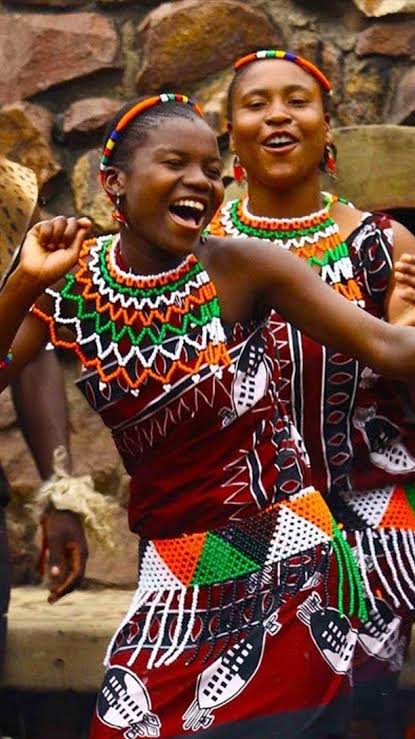
In Nigeria, Intellectual property is one of the emerging areas of law. There are various components that make up the concept of Intellectual Property. These includes copy right, Inventions trademarks and patent. However despite this emerging areas many are still in the dark as to the role and importance of this law and what it seeks to regulate.
This article focuses on listing out the challenges and highlights possible recommendations to enlighten the masses on this law. This article pays particular attention to folklore and performances in Nigeria.
According to Black’s Law Dictionary , 7th Edition, defines the term ‘intellectual property’ refers to a category of intangible rights protecting commercially valuable products of human intellect comprising primarily trade mark, copyright and patent right, as also trade secret rights, publicity rights, moral rights and rights against unfair competition.
Folklore is an aspect of Intellectual property, which is an arm of copyright, with respect to communal intellects and creation. While Performances includes musical performances, dance performances, theatrical productions, storytelling, ritual enactments, and other forms of cultural expression that involve a live presentation.
Some of the challenges includes
In applicability of Traditional Copyright Principles: Copyright traditionally focuses on individual authorship and fixed works, which can be incongruent with the communal, evolving, and often unfixed nature of folklore.
Enforcement Capacity of The Nigerian Copyright Commission: The Nigerian Copyright Commission, despite its mandate, faces challenges in terms of manpower, funding, and logistical capacity to effectively monitor, investigate, and enforce folklore rights across a vast and diverse country. Without sufficient funding, the NCC may not be able to effectively monitor, investigate, and prosecute cases of folklore infringement.
Awareness and Access to Justice: Many traditional communities, especially in rural areas, lack awareness of the legal provisions and access to the formal justice system to pursue infringement cases.
Recommendations
1. Creation of Enlightenment and Awareness: Most members of the society especially community leaders, and elders are oblivious of the provisions of the law in safeguarding their creative rights and performances. Therefore, it Is essential that certain awareness are publicize to them. The commission may carry out a community sensitization informing these elders of certain rights and duties.
2. Creating an Effective Communal justification System: The NCC, should create a committee among different community leaders, their duties involves receiving complaints in the grassroots level and ensuring to notify the NCC. However, this concept is stipulated in the law but not effective in reality. Therefore, proper enforcing of this concept by alliancing with the local leaders would make this effective. This leaders could also be issued monetarily rewards
3. Educating the Younger Generation On Intellectual Property and Cultural Rights: Slowly, the knowledge of certain cultural values, and traditions are gradually diminishing by the rise of the technological age generation. Intellectual property under the umbrella of folklore and performances tries to protect this right, It is essential that certain folklore and performances be passed down to the younger generation. These concepts should detailed and explained as well as the regulations of the law.
4. Involvement of Technological Advancement: The rise of technology could be used as a tool to protect the Folklore and performances. This involves the media houses to document and showcase such beautiful folklore and cultural artefact on their platform.
5. Promoting Folklore and Performances in The Educational System: This could be enforced by promoting the teaching of traditional arts and culture in schools and educational institutions and supporting the organization of cultural festivals and events that showcase Nigeria’s diverse folklore and performances.
6. Encouraging Collaboration and Capacity Building: Collaboration among government agencies, cultural organizations, academic institutions, and communities is essential for the effective protection and promotion of folklore and performances. This can be achieved through establishing platforms for dialogue and collaboration among stakeholders. And providing training and capacity-building programs for cultural practitioners, performers, and community members on intellectual property rights and the management of cultural heritage.