

Enlightenment Of Intellectual Property In Nigeria, Particularly Folklore And Performances.
August 31, 2026THINGS TO CHECK BEFORE SIGNING A CONTRACT.
September 7, 2026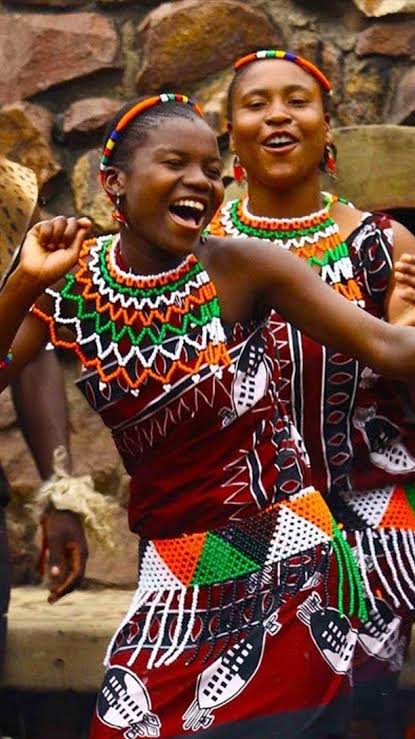
Cultural expressions includes oral traditions, ancestral rhythms, masquerade rites, dynamic dances, and folk music—form the socio-cultural bedrock of Nigeria’s diverse ethnic groups. Beyond their aesthetic and historical significance, these living traditions are vital economic assets and communal identity markers.Traditional musical performances carry living history across generations..
However, the rapid globalization and digitization of cultural content have exposed folklore and indigenous performances to commercial exploitation, unauthorized sampling, and cultural misappropriation. Safeguarding these assets requires a dedicated legal framework specifically tailored to folklore and performance rights.1. The Constitutional Anchor for Cultural Rights
The Constitution of the Federal Republic of Nigeria 1999 (as amended) serves as the supreme legal authority. While the constitutional text does not explicitly use the words “folklore” or “artistic performance,” its provisions establish the foundation for cultural preservation:Social and Cultural Directives: Section 17(2)(e) mandates that the State prevent the exploitation of human resources for reasons other than the good of the community. In a cultural context, this directs statutory bodies to protect communal heritage from uncompensated commercial exploitation.
Preservation of Cultural Values: Section 21 explicitly directs the Nigerian State to protect, preserve, and promote Nigerian cultures that enhance human dignity.
Freedom of Artistic Expression: Section 40 guarantees the right to freedom of expression, protecting the creative liberty of performers, oral historians, and cultural custodians.
Legislative Competence: Under Item 60(a) of the Exclusive Legislative List (Second Schedule), the National Assembly holds the exclusive authority to legislate on protection mechanisms for creative works, providing the foundation for national statutory enactments.
The Statutory Benchmark: Copyright Act 2022The Nigeria Copyright Act of 2022 replaced older statutory models to directly address traditional cultural expressions (TCEs) and digital dissemination challenges
Key Provisions Statutory Recognition of Folklore (Section 74): The Act protects expressions of folklore across multiple forms, including:Verbal expressions: Folk tales, poetry, and riddles.
Musical expressions: Traditional folk songs and instrumental arrangements.Expressions by action: Dances, plays, and ritualistic performances.
Tangible expressions: Traditional handicrafts, costumes, masks, and musical instruments.
Perpetual Communal Ownership: Standard creative works enter the public domain after a statutory period, but expressions of folklore are protected in perpetuity. The law vests ownership jointly in the originating indigenous community and the Nigerian Copyright Commission (NCC), which acts as a statutory trustee.
Protection Against Unauthorized Commercial Exploitation (Section 75): Any commercial use, adaptation, or public distribution of folklore outside its traditional cultural context requires prior authorization and equitable benefit-sharing arrangements managed through the NCC. Unauthorized commercial exploitation constitutes both a civil wrong and a criminal offense.
Enhanced Performers’ Rights (Sections 63–73): Performers who bring oral traditions and folklore to life receive dual legal safeguards:
Economic Rights: Exclusive authority over the fixation, broadcasting, live streaming, and public distribution of their performances.
Moral Rights: The perpetual right to claim authorship (attribution) and object to any modification or distortion that harms the performer’s reputation or the cultural integrity of the performance..
Key International Instruments Nigeria’s domestic rules align with several international treaties that address cultural expressions and performer protections:
Legal Instrument Core Scope Practical Impact on Nigerian Folklore & PerformancesBerne Convention (1886)
National treatment and protection for authorial works. Article 15(4) allows competent authorities to represent unknown authors of unpublished works—a mechanism used to protect anonymous communal folklore internationally.UNESCO Convention (2003)
Safeguarding Intangible Cultural Heritage (ICH). Directs state parties to establish national inventories, document oral traditions, and maintain community-led preservation programs.WIPO Performances & Phonograms Treaty (WPPT, 1996) Digital rights for performers and sound recording producers. Grants traditional musicians and performers exclusive control over how their recorded or live performances are shared across digital platforms.
Addressing Enforcement ChallengesWhile the Copyright Act of 2022 provides a statutory structure, enforcing rights over folklore and performances involves unique practical challenges:
Digital Piracy & Unsanctioned Sampling: Digital recording technology makes it easy to sample traditional rhythms, chants, and performances without obtaining community consent or identifying originating artists.
Proving Community Ownership: Establishing clear boundaries of communal ownership can be complex when cultural expressions are shared across neighboring ethnic groups or regions.
Administrative Capacity: The Nigerian Copyright Commission (NCC) requires adequate funding, inventory databases, and enforcement resources to track commercial uses of folklore effectively across global markets.To refine or expand this article further:Add case studies on Nigerian cultural exploitation expand on the role of the Nigerian Copyright Commission